No Item
The Urban Diary team had long been based in Wan Chai, but recently moved to Sheung Wan in the Central and Western District, a neighbourhood that blends the old with the new. Century-old shops sit alongside trendy restaurants and boutiques opened by the younger generation, and commercial buildings rub shoulders with residential blocks. Everything co-exists in vibrant harmony, weaving a unique urban landscape for this historical area.
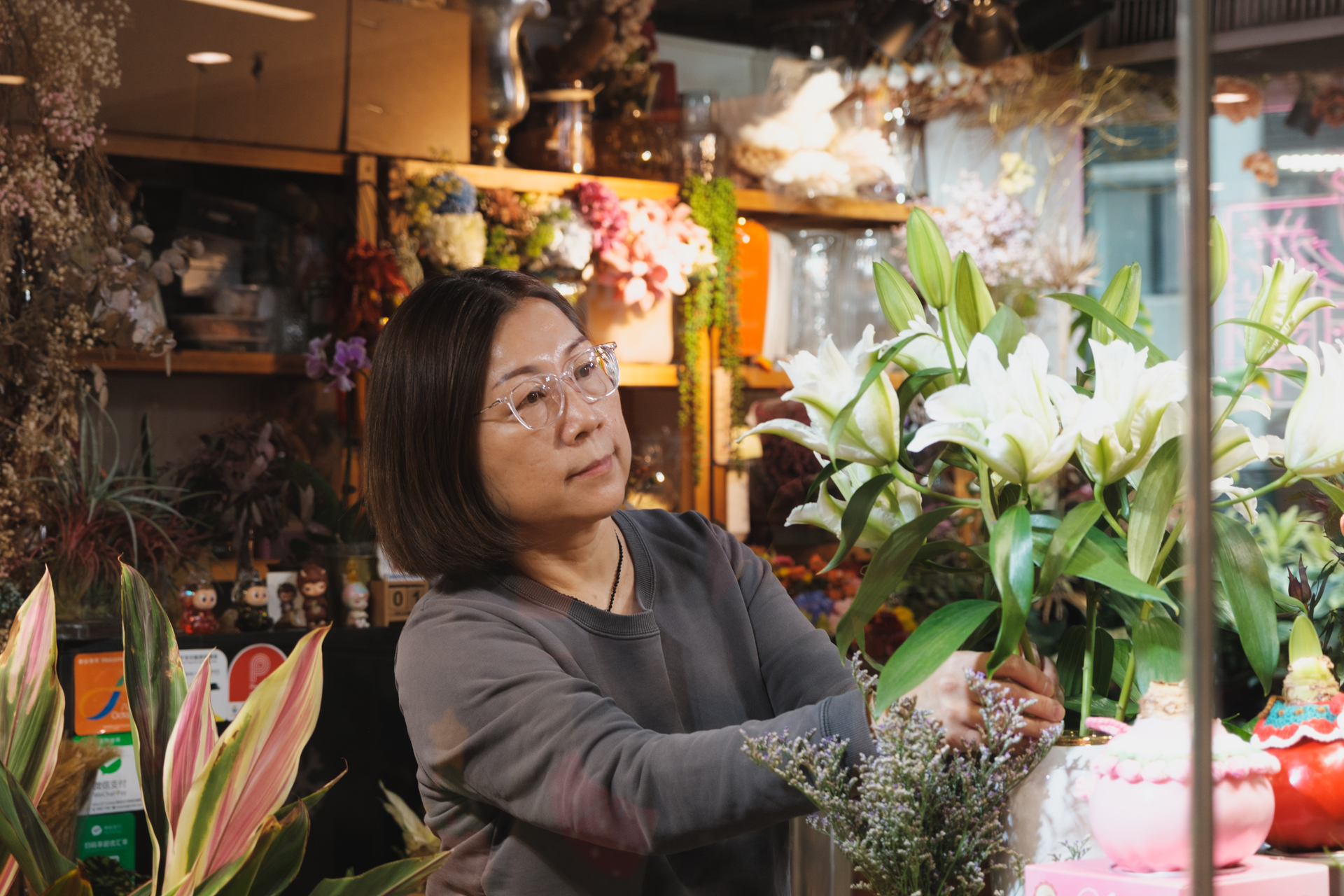
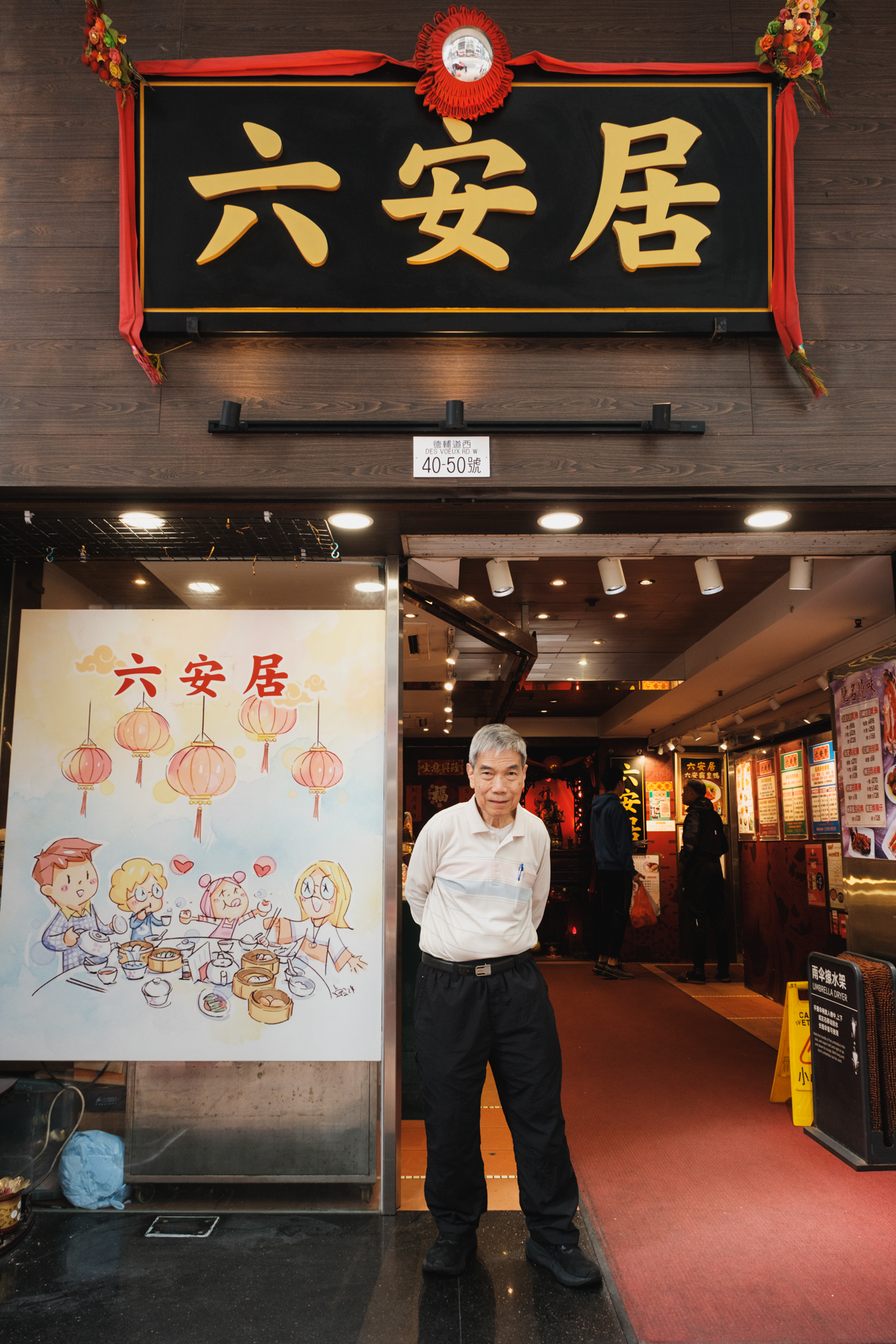
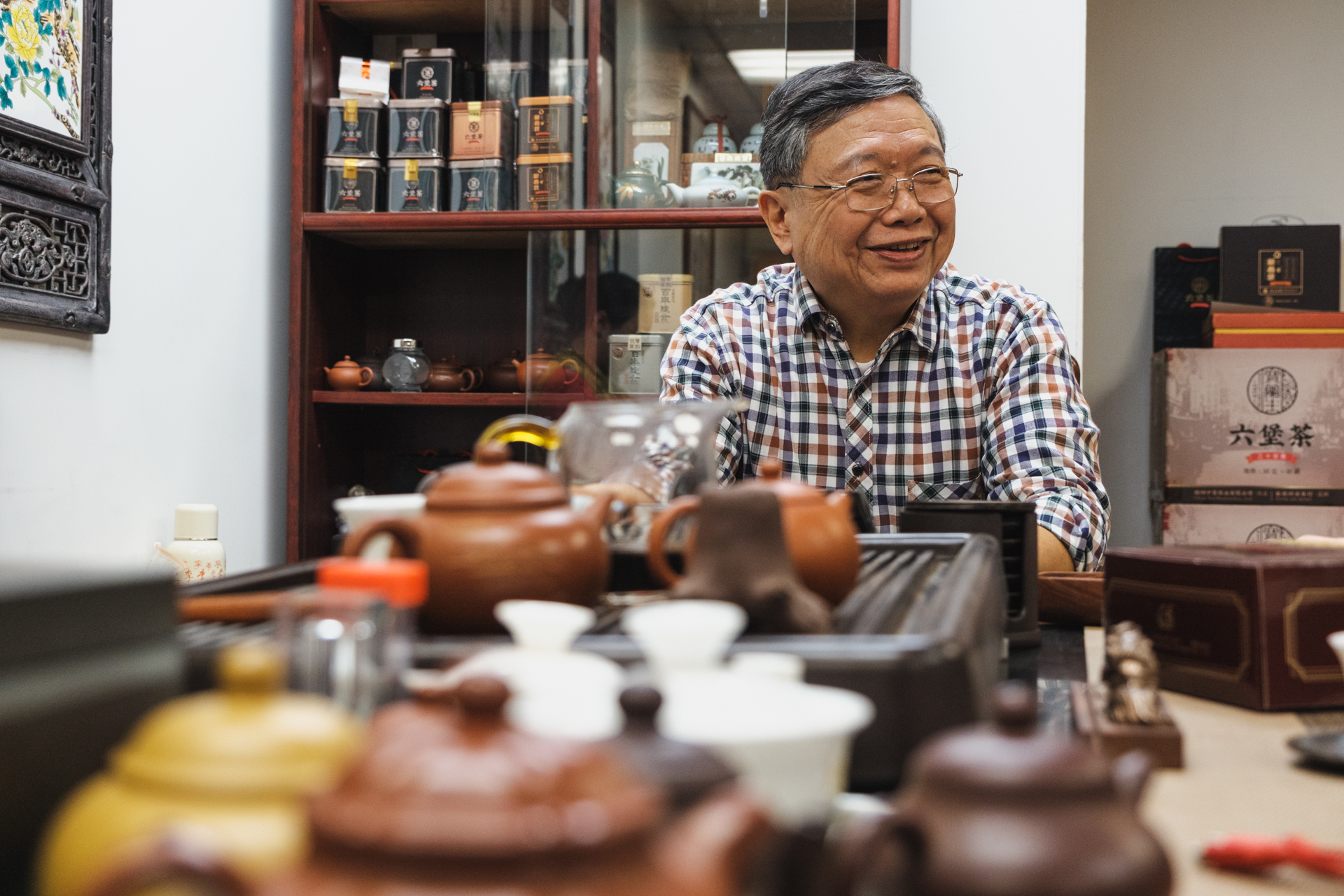
In this series of profiles titled Our Neighbours in Sheung Wan, we will introduce our new neighbours, including restaurants, tea merchants and florists. Through their stories, we will get to know Sheung Wan - and the life journeys of several generations of Hong Kong people.
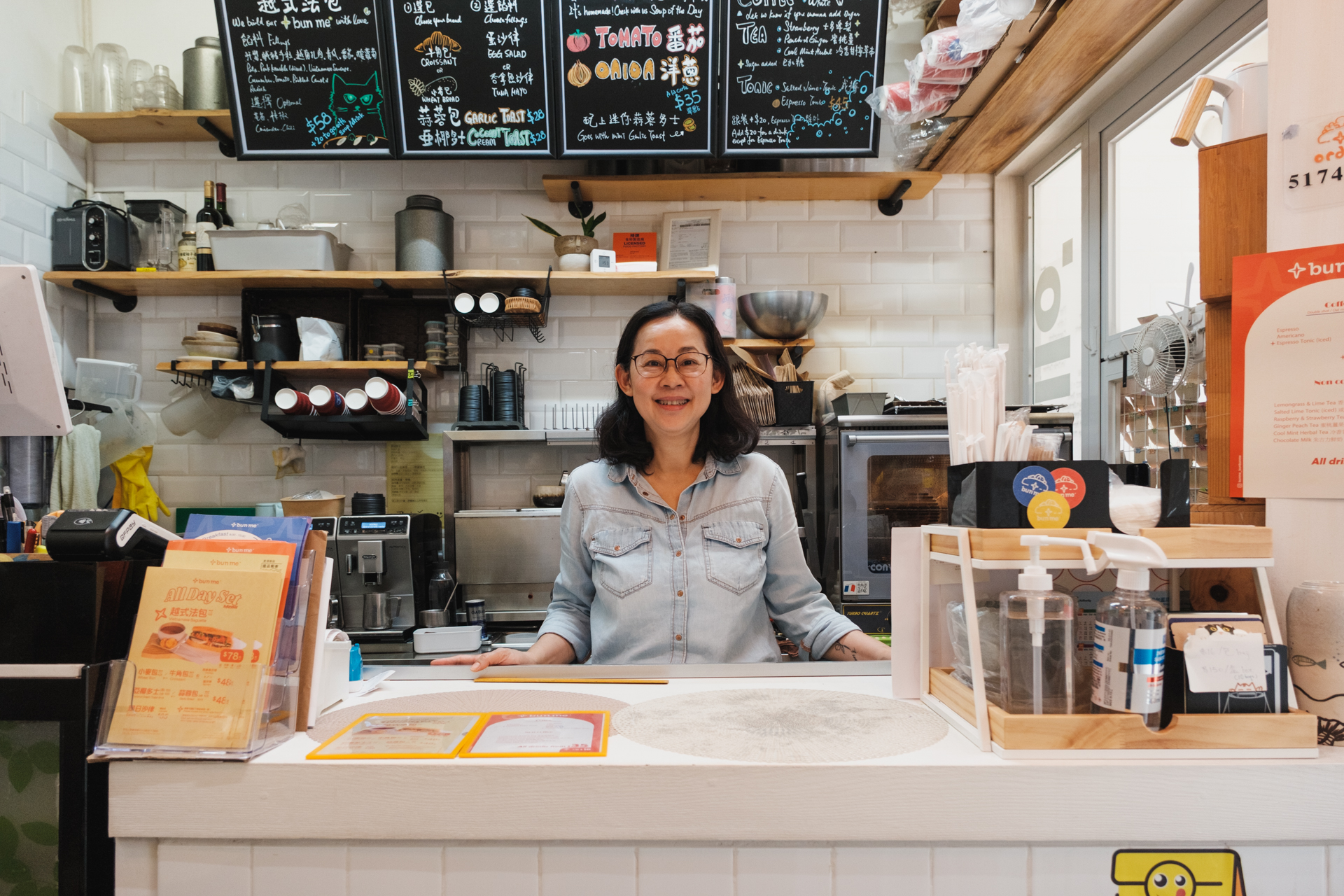
To keep up the grind, filling our stomachs comes first. So, after settling into Sheung Wan, the very first neighbour we got to know was “Bun Me”, a ground-floor eatery right below our office that specialises in Vietnamese bánh mì, or Vietnamese baguette.
A family history of displacement: years in Southeast Asia
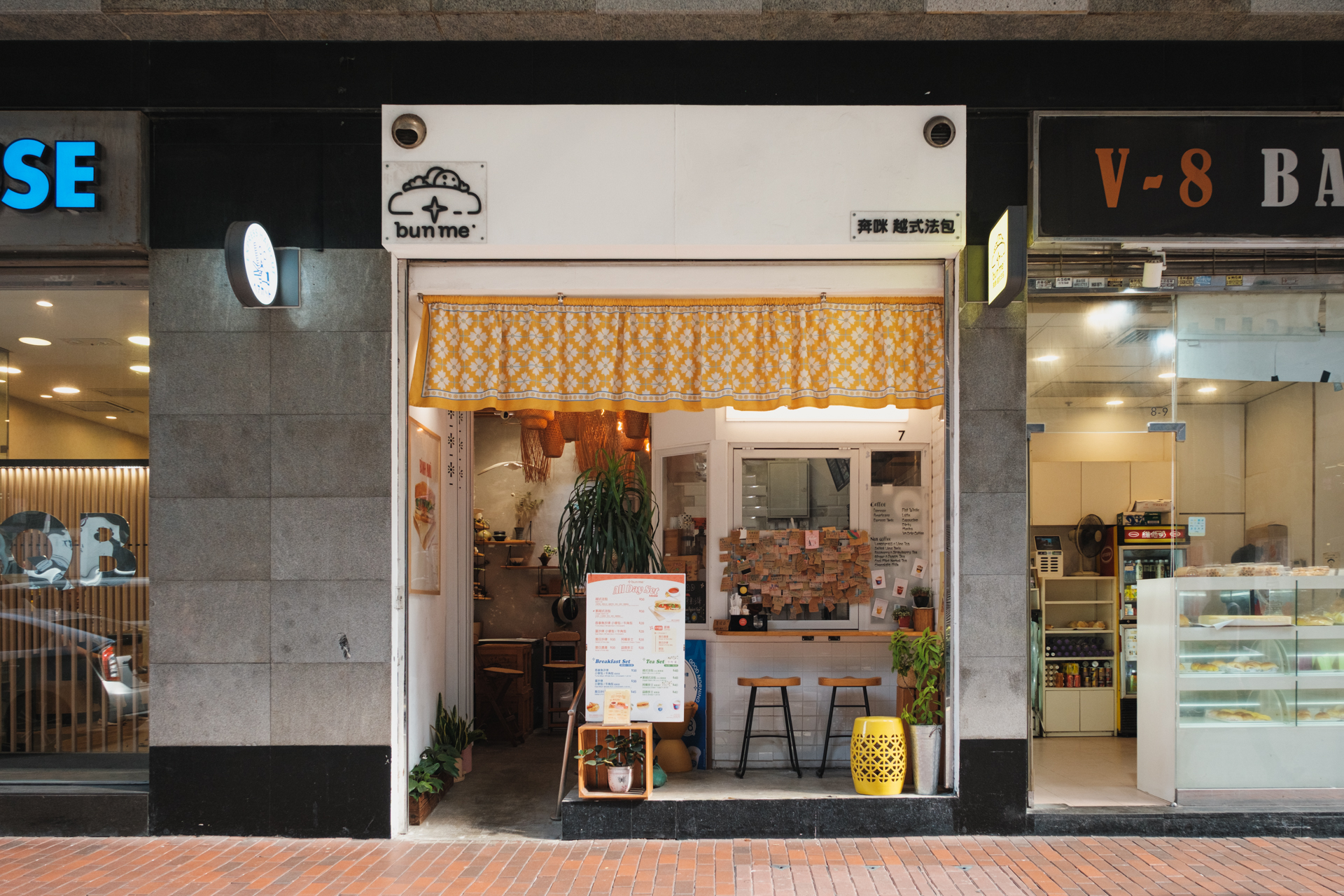
Bun Me is barely 200 square feet. At the entrance hangs a small yellow patterned curtain. Half of the shop is occupied by the kitchen and the cashier. The remaining space features a bar counter and a few square tables and chairs, enough for a handful of diners to eat in.
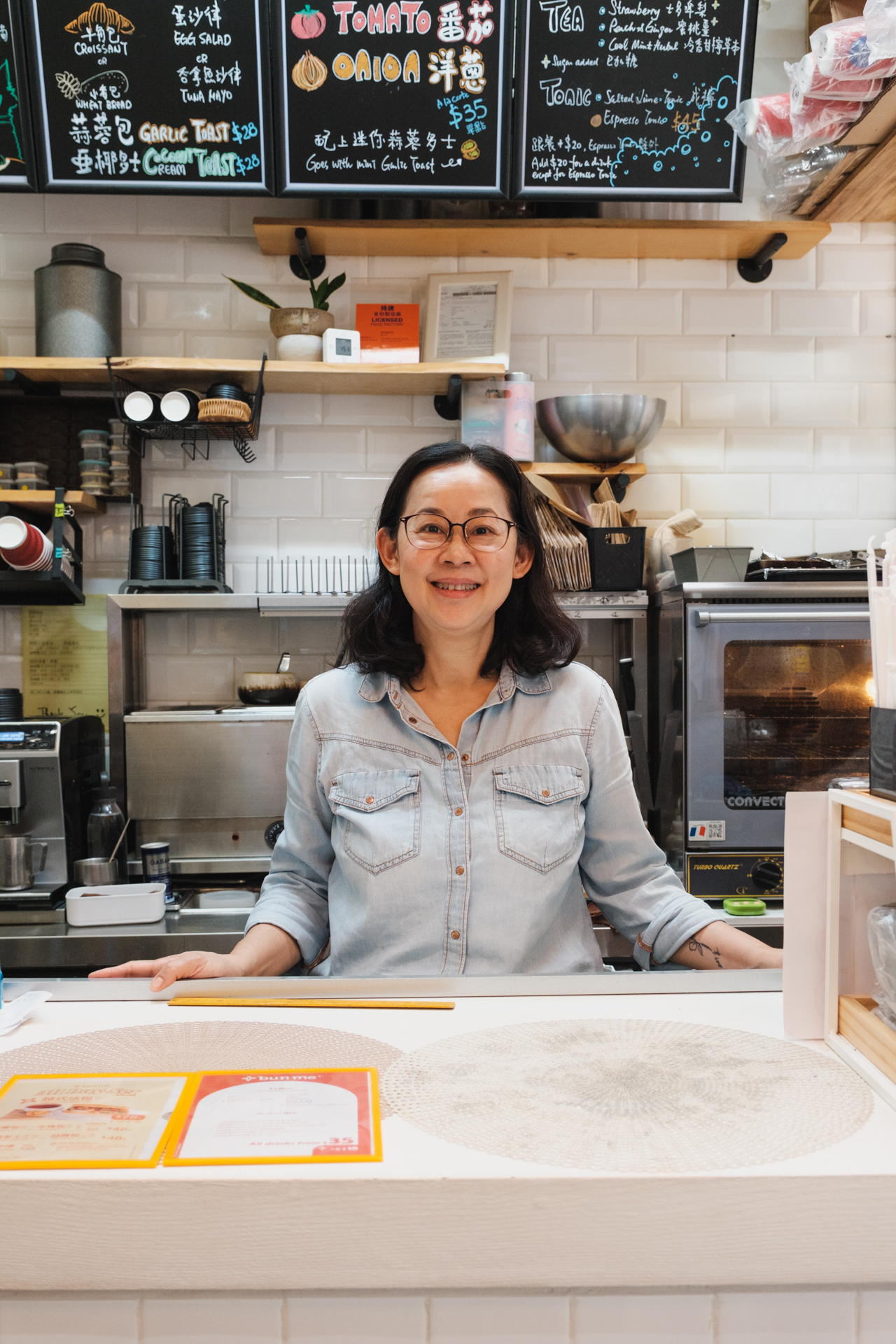
Joely Wong is the friendly owner who often chats with guests about all sorts of things. On the day of our visit, she was sharing stories from her childhood, which piqued our curiosity and led to this interview. The experiences of her family offer a glimpse into the journeys of an earlier generation of Chinese migrants across Southeast Asia - and the history that shaped them.
In 1950, Joely’s father left his hometown of Chaozhou and made the long journey to Southeast Asia, eventually settling in Cambodia. Through friends, he met his future wife, also a Chaozhou native. The couple started a family there and had nine children, with Joely, the sixth, born in the late 1960s.
Joely recalls that her father had always wanted to be his own boss and refused to work for others. The family tried various businesses in Cambodia. What Joely remembers most is their glass-mirror business, because the mercury used in the production left her older sisters with numerous scars.
In 1975, the Khmer Rouge seized control of Phnom Penh, the capital of Cambodian and remained in power for nearly four years. In a short span of time, they forcibly evacuated the urban population to the countryside. Large numbers of the elderly, the physically weak, women and children died from starvation, disease and exhaustion. Dissidents including anyone who resisted the forced relocation, non-Khmer people and Buddhists were killed. In 2009, the United Nations and Cambodia signed an agreement to establish the Extraordinary Chambers in the Courts of Cambodia, a special tribunal to try Khmer Rouge leaders. Official data from the tribunal estimate that at least 1.7 million people died during the Khmer Rouge era.
Escaping the Khmer Rouge
Being a businessman, Joely’s father was always attuned to what was happening around him. Two years before the catastrophe, he had already sensed a shift in Cambodia’s socio-political atmosphere. Joely vaguely remembers that in 1972, when she was only five, her family of nine left the country in two groups. Her mother departed first for neighbouring Laos with Joely’s older sisters and younger brothers. A few months later, her father followed, taking her and her younger sister along. Only the eldest sister did not travel with them - her father arranged for her to move to Hong Kong to live with an uncle.
“Had we waited for another two years or so, it would have been too late. At the time, I didn’t feel anything. I just didn’t want to leave my mum. I still remember that we were all crying when we said goodbye.” Little did they know that Cambodia would descend into a living hell two years after their escape.
Joely’s school-age years were spent in Laos. “After moving to Laos, we started selling clothes in markets. Then, my dad bought a toothpaste factory out of the blue.” It was a family-run business. As she was still little, Joely was responsible for packaging tasks, such as pouring toothpaste into containers. “There were machines in the factory. My dad said there had been an industrial accident during the production, and he lost a fingernail as a result.”
Three years after they relocated to Laos, when it seemed life had finally settled, Joely’s father and second eldest sister were suddenly taken away and accused of being Chinese spies while exchanging the family’s earnings into the US dollar - something they habitually did because the US dollar held its value. The family had to pay a ransom for the two to be released. Afterwards, they fled again, this time to Hong Kong, where they reunited with Joely’s elder sister.
As with last time, the family fled in two groups. Joely’s mother reached Hong Kong first, while Joely, her father and some of her sisters followed later. Leaving in haste, they each hid small pieces of gold around their waists and in the soles of their shoes. Before slipping away, they quickly told their neighbours that they were “going to see our mother”. The plan was to fly to Thailand and then on to Hong Kong. However, upon arriving in Thailand, they were treated as refugees. After being stranded there for nearly a year. They were on the move again. They left for Macau. Altogether it took them more than a year before they hide aboard a fishing boat bound for Hong Kong . When the vessel neared the shore of Hong Kong, everyone jumped into the water and scrambled ashore.
Family reunion, finally
The family of 11, separated from some members for years, eventually reunited in a cha chaan teng in Hong Kong. They packed into a 300-square-foot flat in the Kowloon Walled City. Joely laughs as she recalls her first impression of Hong Kong: “I realised Hong Kong was actually so dirty.” Home was nothing like the large house they had in Laos, and bánh mì - the food of her childhood - was nowhere to be found.
Joely never expected that she and her family would end up living on this small island for decades, leaving behind their years of displacement. A few years ago, she launched her own business. Growing up in Southeast Asia, she often ate bánh mì with her family, so after moving to Hong Kong, she would go searching for that taste of childhood. “Even on dates, I would seek out bánh mì.” When deciding what kind of business to start, she decided she wanted to share this childhood memory with others.
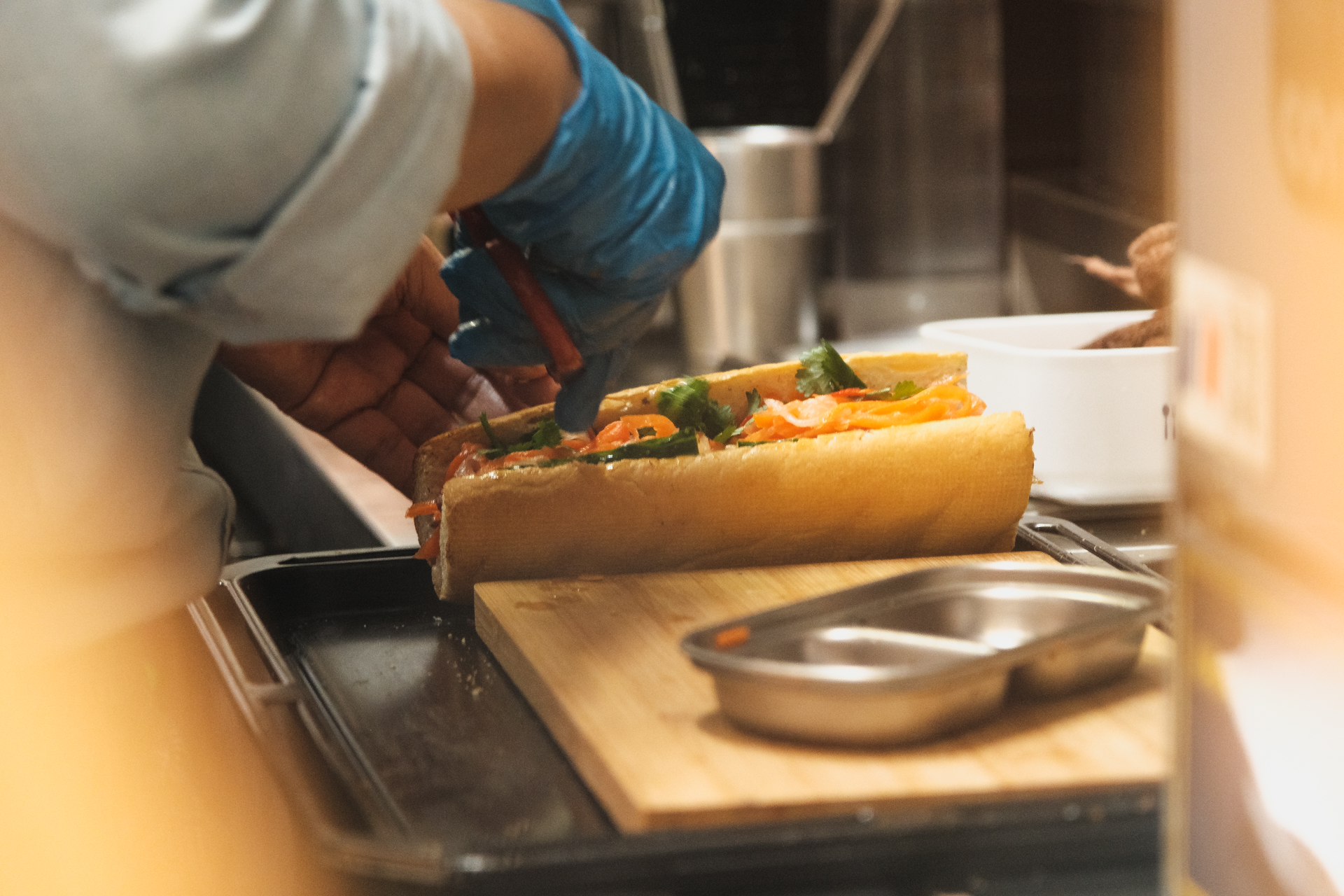
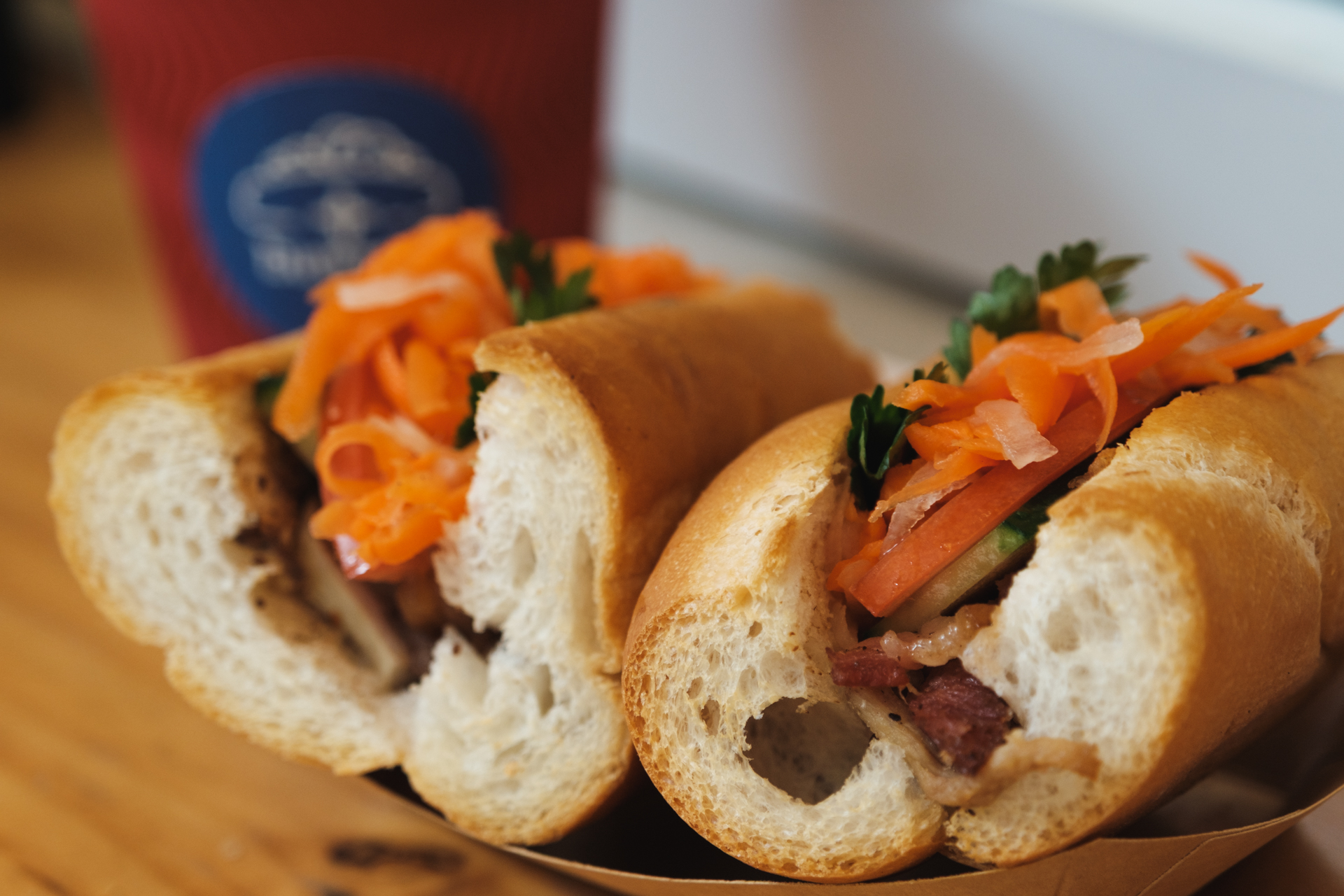
Bánh mì is filled with a variety of ingredients, somewhat like a cha chaan teng sandwich. The dish at Joely’s shop features pork liver pâté, Vietnamese ham and homemade salted pork cubes, accompanied by cucumber, tomato and shredded pickled radish. For those who like it spicy, the bánh mì can be topped bird’s eye chilli and coriander to enhance the flavour.
Joely first ran a takeaway shop at an industrial building in Shek Kip Mei. Later, she wanted to try opening a dine-in eatery on Hong Kong Island. She settled on Sheung Wan, a neighbourhood where the old and the new meet, with a non-commercial vibe that is perfect for her and Bun Me.
The name “Bun Me” is a transliteration of bánh mì. People often ask Joely if her signature bánh mì is authentic or not. In response, she would explain that bánh mì is like Hong Kong-style satay beef noodles - there is no single authentic version; what counts is that it tastes good.
So is Joely’s version of bánh mì any good? One might get an idea from the small notes posted in the shop: “From Shek Kip Mei to Sheung Wan! Still yummy”, “Unforgettable”, and “Everyone who’s tried it says it’s great”.
Bun Me opened in Sheung Wan in 2024. Although business has not been as good as Joely expected, she often receives praise from returning customers. “Without the compliments and without people encouraging me to keep going, I probably would have quit already.” She quips that such recognition is like a drug. Time will tell how long she will stay hooked.