No Item
A Note About the Japan Tour
By Dr Chloe Lai
Welcome, autumn! Temperatures and humidity have dropped slightly, and October weather is more bearable.
Summer is long and getting longer. The summer of 2026 will be remembered for its seemingly endless alternation between scorching sunshine and torrential rain. Record-breaking temperatures are a timely reminder of the urgency of taking sustainability seriously.
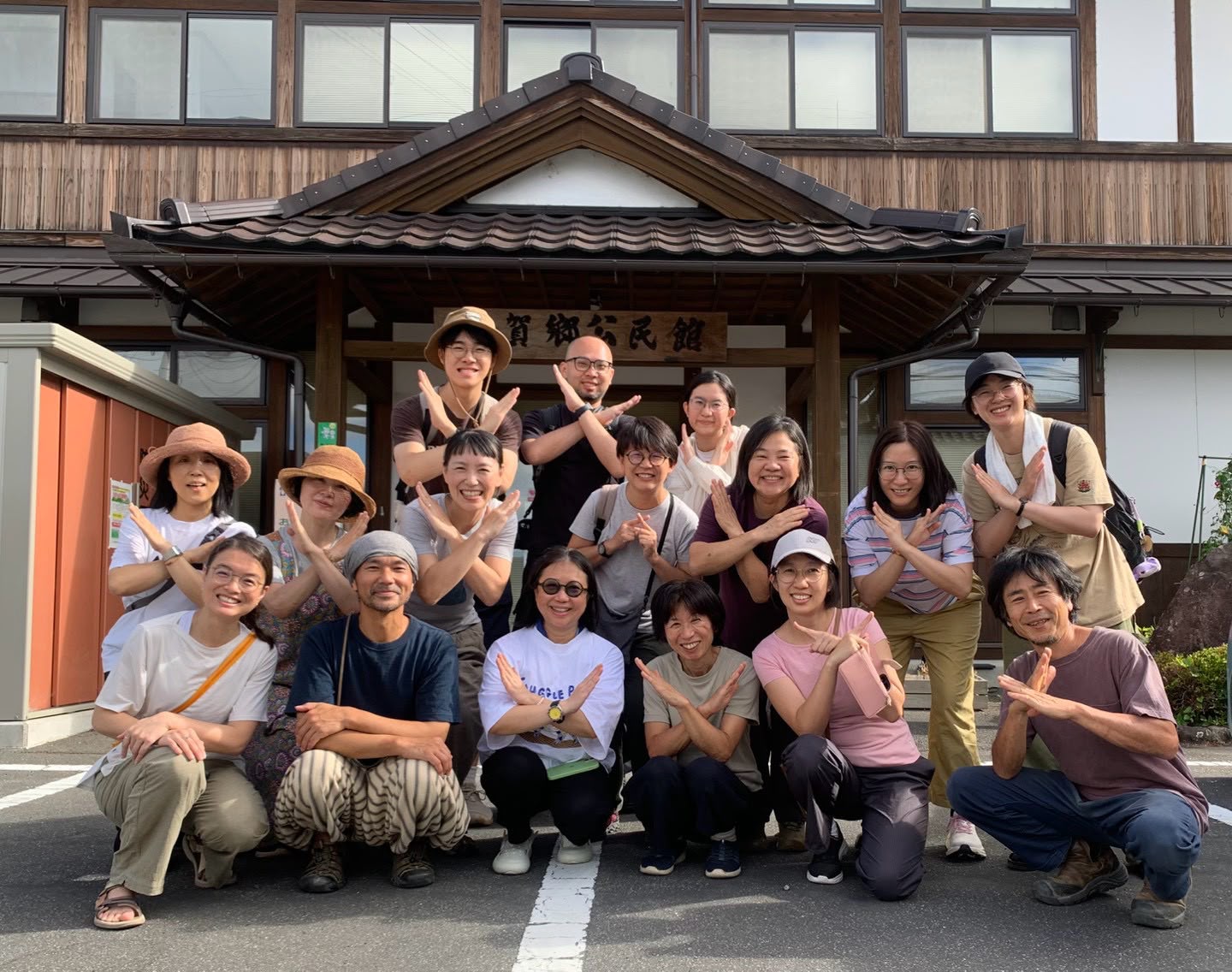
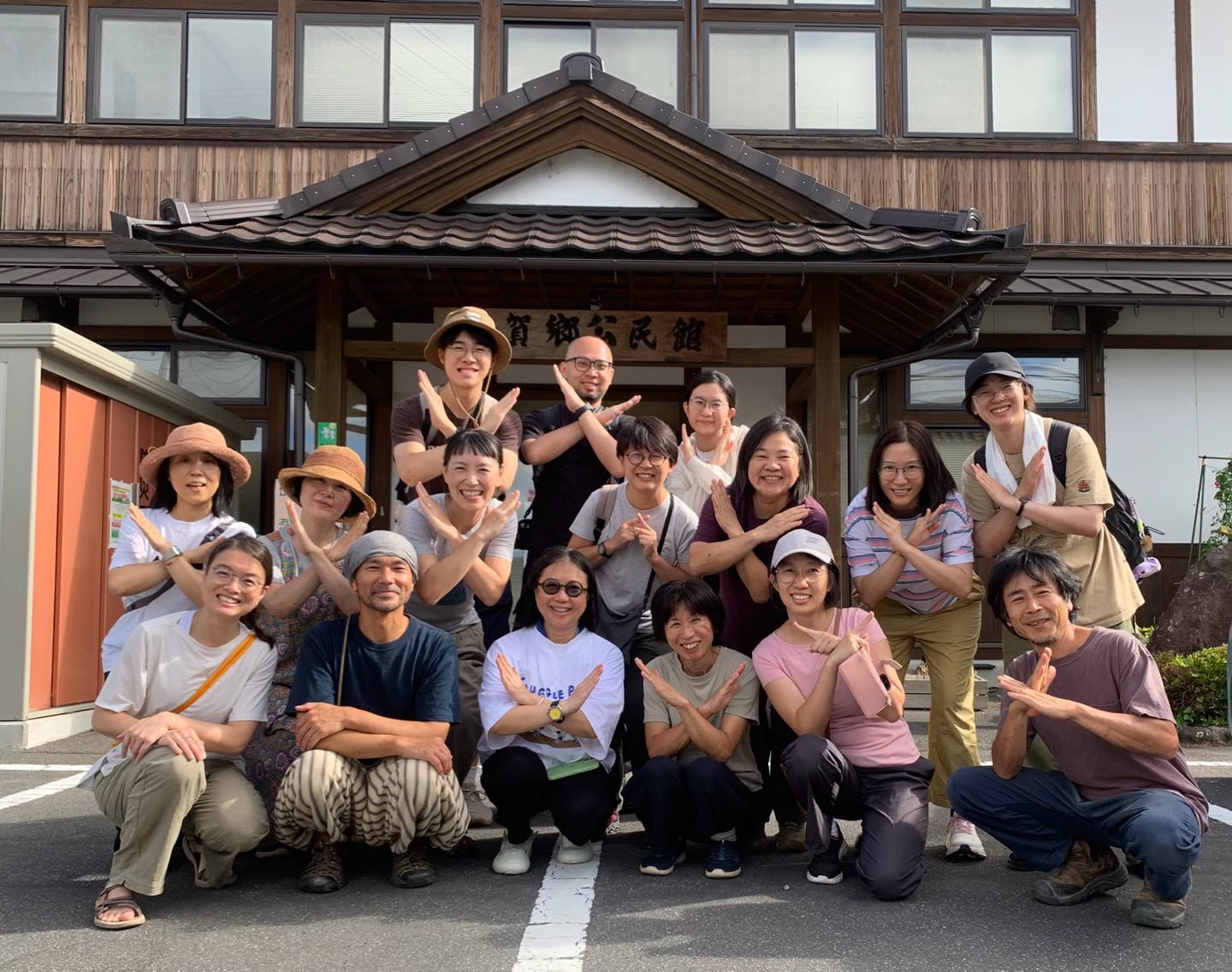
On a sweltering summer day in early August, we, together with our like-minded friends from Green Hub of Kadoorie Farm and Botanic Garden, Good Lab, and CarbonCare InnoLab, embarked on a learning and knowledge-exchange journey to Japan—one that proved inspirational for the next stage of our work.
.jpg)
Over the course of nine days, Team Hong Kong met influential thinkers whose ideas have shaped generations of environmental practitioners, visited small businesses inspired by the concepts of Satoyama and Satoumi, and participated in the Transition Town East Asia Gathering 2026. The gathering brought together practitioners of sustainable living from Japan, South Korea, the Chinese mainland, and Taiwan to share insights and experiences.
Don’t be put off by the jargon. The language may vary, but the goal is shared: to place ecological well-being at the centre of our decisions, rather than treating human convenience as the starting point.
Our first stop was a forest plantation in Akame, Mie Prefecture. Beneath Japan’s image of prosperity, many plantations are struggling with a double challenge: competition from imported timber and the departure of young people from rural areas. We stayed at a plantation run by Satoyama practitioner Iino Yuuji, who has brought together care for nature, support for disadvantaged members of the community, education, and economic sustainability within a single enterprise.
Our next destination was the Shigasato district of Ayabe, in Kyoto Prefecture. Shigasato is well known for its natural beauty. There, we met artists, recent graduates, and retirees who had relocated to the area in recent years. They were drawn there by the teachings of the charismatic Shiomi Naoki. Through their shared commitment to nature, the newcomers and those whose families have lived there for generations have formed a close-knit community.
Many people in Hong Kong may not have heard of Shiomi-san, yet his influence across East Asia has been profound. An Ayabe native, Shiomi-san is best known for his book Half Farmer, Half X (2003), which advocates a lifestyle that combines small-scale, sustainable farming for oneself and one’s family with the pursuit of a personal passion or contribution to society. His ideas have inspired many young people in Hong Kong to explore small-scale organic farming.
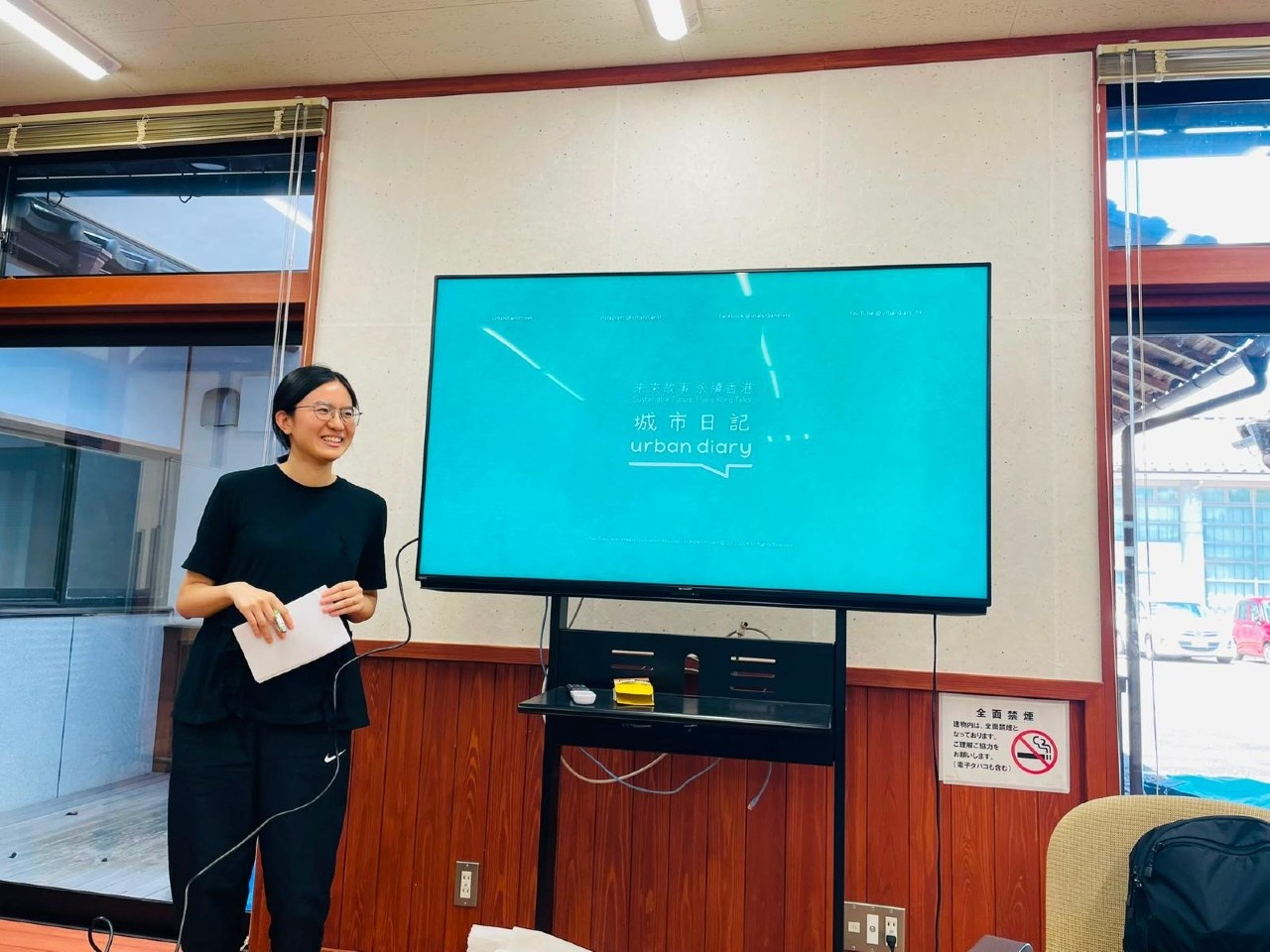
In Shigasato, our storyteller Leanne gave a presentation on the work of Urban Diary, covering our community learning workshops and the various Let Us Go! mini-projects designed to promote the well-being of both human and other sentient beings.
I was one of the speakers at the Transition Town gathering.
.jpg)
My presentation began by paying tribute to the environmental campaigners and community organisers who came before us. Their work built a solid foundation for those who followed, including ourselves. The second part offered a deeper look at Urban Diary’s work.
Transition Town is an international network of communities taking local action on food, climate, and energy issues. At the gathering, we learned from inspiring examples of cultural and heritage conservation, local currencies, urban farming initiatives, and community kitchens.
The audience was impressed by Hong Kong's natural beauty and sustainability initiatives, of which many had previously been unaware.
A couple of days after the conference ended, heavy rain pounded the city of Chiba, claiming at least eight lives. During the same month, flash floods and debris flows devastated a town on the Nepal–China border, killing thousands and leaving many more missing.
In the face of the climate crisis, we have no excuse for inaction. Action can begin with small changes in everyday life: reducing our reliance on takeaway food and delivery services or drinking less bottled water.
Over the past years, through our learning workshops, Urban Diary has nurtured a group of community advocates. We will continue to do so. By facilitating the “transition of the self”, we hope to transform not only how we live, but also how we care for our neighbourhoods.
The visit was organised by the Partnership for Community Development. We would not have been able to meet these thinkers and practitioners without the meticulous preparation of our colleagues at PCD.