No Item
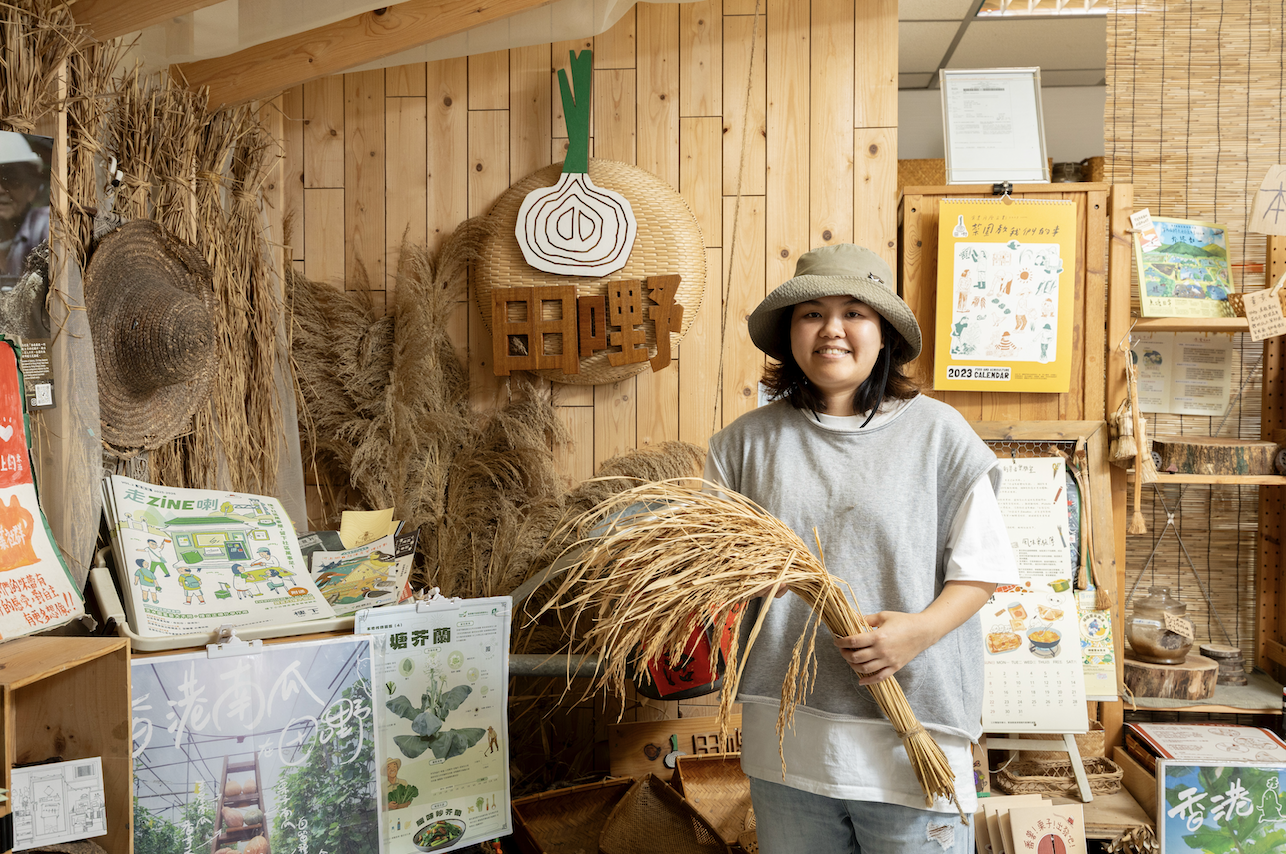
Interview: Leanne Wong | Photography: Tse Pak-chai | Translation: Harmony Yuen
Date of Interview: 9 April 2025
About Mak Ho-ying
- Born in the 1980s in Hong Kong.
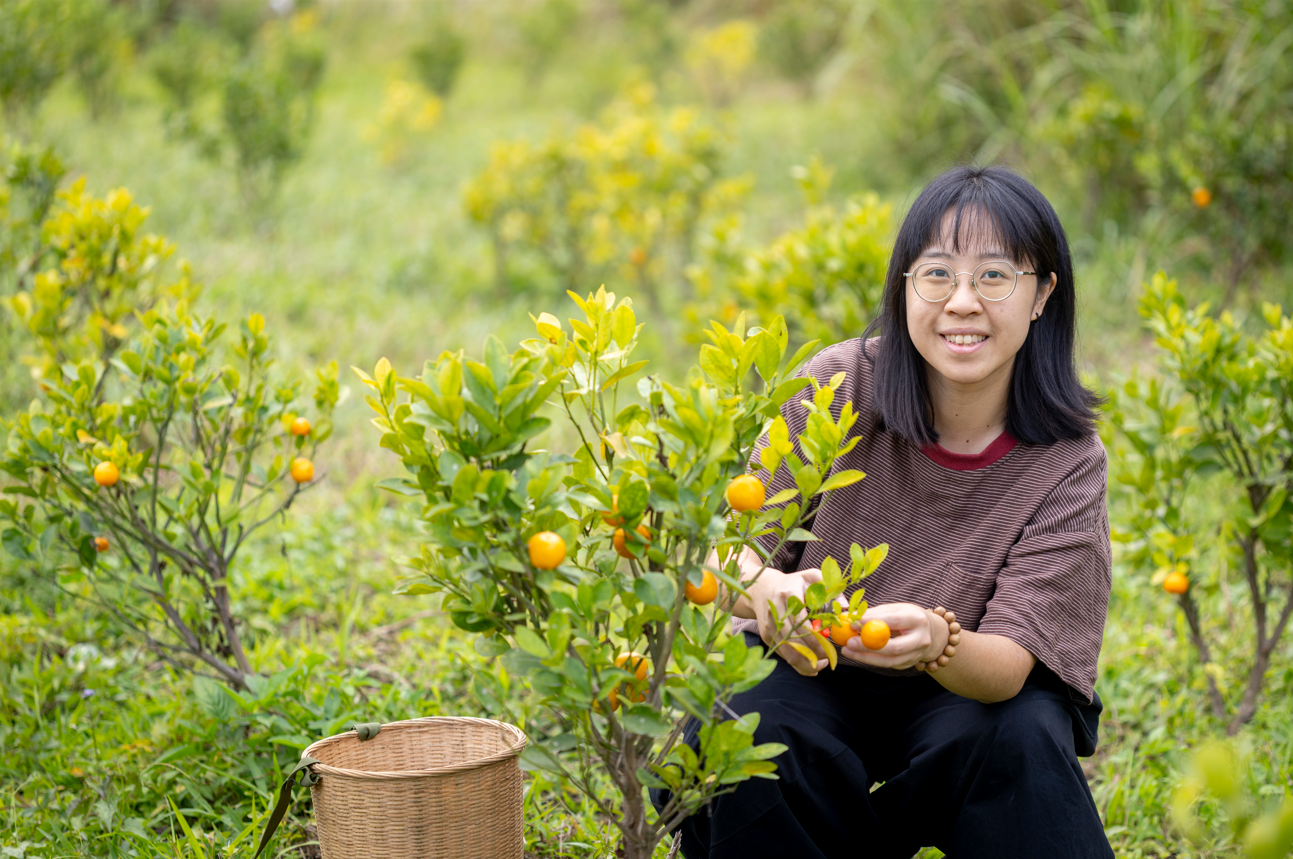
- In 2014, Ho-ying founded Kong Yeah, an organisation that promotes local agricultural produce, alongside five friends. In 2017, she founded Tin Yeah, also known as Organic Greenfield, as a Community Supported Agriculture (CSA) model.
About Tin Yeah (Organic Greenfield)
- Tin Yeah started practising the CSA model in Hong Kong in 2017, providing local organic produce packs for sale, and advocating for an eating culture where people eat and grow with the seasons.
- Apart from selling and promoting produce made in Hong Kong, Tin Yeah also organises classes and creates publications, allowing different stakeholders of the agriculture scene to take part in the food supply chain. They can then learn and grow collectively on the topics of food and ecology.
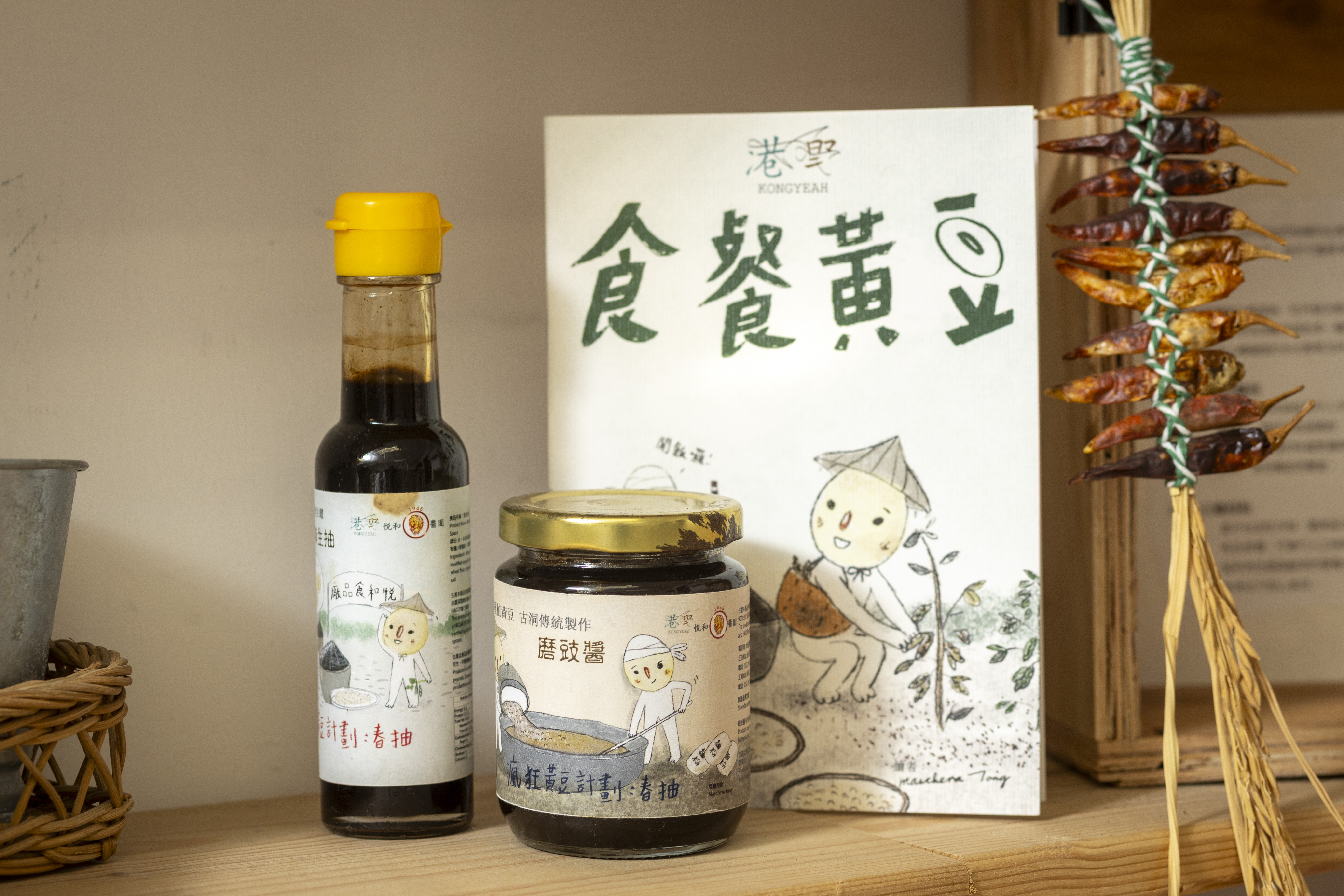
- List of Tin Yeah’s publications related to food and agriculture: Growing Soy (2018), HK Robert Go! (2021, 2022, 2024), Common Purslane from Tsiu Keng (2021), Summer Lotus Pond (2022), the Lessons We Learn from Farms calendar (2023), the CONTENT Farm: Kam Tin and Pat Heung Journal (2025) in collaboration with A Few Moments, the Local Tree-Ripened Tomatoes (2025) label and Let’s Go, Sweet Potato! Let’s Go, Chestnut!, a food and agriculture comic (2026).
About Ho-ying’s Workshop for Let Us Go!
- Theme | A Field Trip to Chuen Lung, Tsuen Wan
- Date | 7 December 2025
- Event | Ho-ying invited participants for a dim sum meal in the mountains of Chuen Lung, tasting locally grown watercress and bittern tofu, followed by a visit to both the dry land and water fields on which they were grown. Participants had the chance to interact with the farmers, and had a go at tying vegetables with short-leaved Malacca galingale.
- Relationship with Satoyama and Satoumi in Hong Kong | Urban life is known for convenience: food is available on supermarket shelves, packaged in plastic bags, which makes it easy for people to neglect the natural ecology, land, farmers and environmental issues that are inseparable from farm produce. This table-to-farm experience inspires participants to consume local vegetables and hear farmers’ stories of growing watercress, drawing people closer to nature.
Interview
1. As someone born in the 80s in the Tsing Yi, how has your upbringing shaped the way you understand the concept of community?
Growing up in Tsing Yi, I witnessed local stores in the district becoming shopping malls that were replicas of one another. The transformation was massive. I happened to be majoring in cultural studies at the time, which prompted me to probe the reason behind these changes. Why were shops disappearing? Why did a city, once vibrant, have to be reconfigured? I felt that life was good enough, so why did my surroundings still have to go through so much change?
What interests me even more is how this situation wasn’t specific to Tsing Yi. I recall Wedding Card Street (Lee Tung Street) in Wan Chai, Sham Shui Po, Choi Yuen Tsuen in Shek Kong, and even the Central Market, all going through similar transformations. When I spoke to those who were forced to leave a place, their reason for leaving was usually not a personal preference, or that they had to retire. They had to leave due to external circumstances. This made me realise how power dynamics were in play behind these apparent transformations.
I learned to see beyond apparent phenomena and to pinpoint the crux of the problem. It was then I started to ask the question: What has led to these changes?
2. You have a background in cultural studies. How has this shaped the way you see local agriculture and food systems, and your community involvement moving forward?
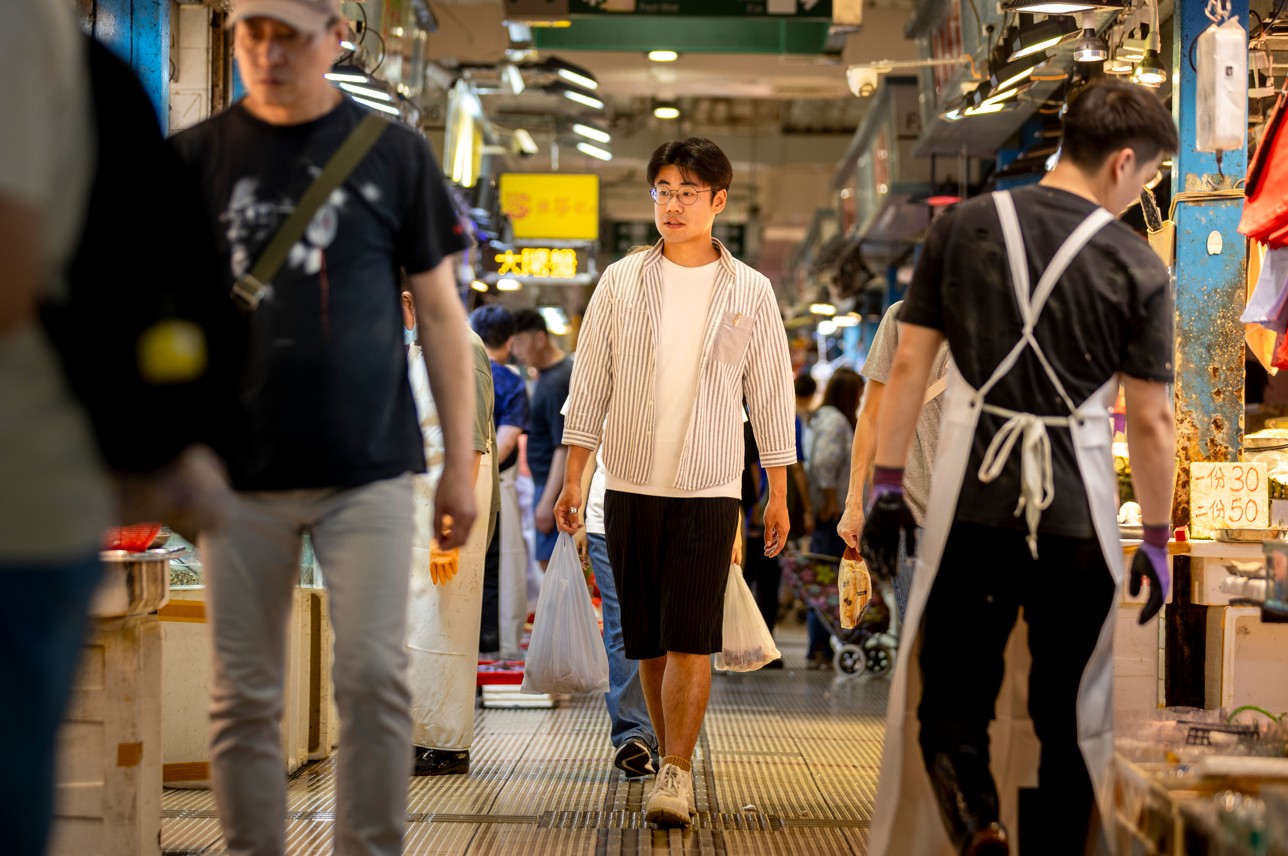
I often joke that cultural studies has ‘hypnotised’ me. I started by pursuing an associate degree, then did a degree in the humanities. As my family owned a stall in the Yeung Uk Road Market in Tsuen Wan, I had known the neighbourhood since I was little. I witnessed reclamation taking place outside Yeung Uk Road Market and new infrastructure being born. As someone in cultural studies, I understood that there were reasons behind this transformation.
My thesis looked at whether the community was able to develop bottom-up and citizen-led tactics against the top-down redevelopment imposed on them. I spent over half a year doing research, but realised that the materials were rather fragmentary, making it hard for me to piece together a full narrative. This made me realise how we’ve lost so much of our impression and memory of communities. Nobody remembers what grassroots people did in response to change, and what had happened before change took place.
After graduation, I had an NGO job and hoped to become a social worker. I soon learnt that frontline social workers were exhausted. It takes ten pieces of paperwork just to help one person get through something! It was too heartbreaking for me to see. I decided not to pursue this career. Then, I contemplated alternative ways in which I could provide more support for different communities.
Social work is usually about going into a community and helping others. But when I got to know more about Hong Kong agriculture and nature, I would say that this field is not about helping others. Everyone supports one another in various ways. Here, we are supporting others as much as we are supporting ourselves.
3. Why did you start Tin Yeah? How has the initiative evolved from your other community participation projects?
In 2014, I co-founded Kong Yeah with five friends. It was an initiative to support locally made projects, bringing local produce onto dining tables in the urban city as a means to share stories of local agriculture and production. Through organising various sessions of the ‘I have a date with Kong Yeah tonight!’ series, we were able to put community economy into practice, prompting participants to consider the possibility of urban-rural coexistence.
A question that we often asked was: Is it possible at all to enjoy a meal that consists completely of locally produced food? In search of an answer, I realised how diversified the possibilities of local produce can be. Think we don’t have sugar made in Hong Kong? There’s local honey! Think there’s no salt? There are people who make soy sauce and basin salt in town! A lot of people think that the concept of ‘made in Hong Kong’ is in decline, but factories and producers still work very hard indeed. They manually process food and turn it into something new. I think that they’ve managed to express a local, creative power and contribute to writing new history for the city.
Kong Yeah mainly organised programmes until 2017 when we set up the Tin Yeah store in Mong Kok in collaboration with a farmer, as an attempt to put our concepts into everyday practice. After five months of operation, I invited Nicole Lam, who had been active in joining Kong Yeah’s activities and supported our values, to join us. This was the beginning of our CSA practice. We then started offering local vegetables for sale. Nicole and I started to become the two key shopkeepers of Tin Yeah.
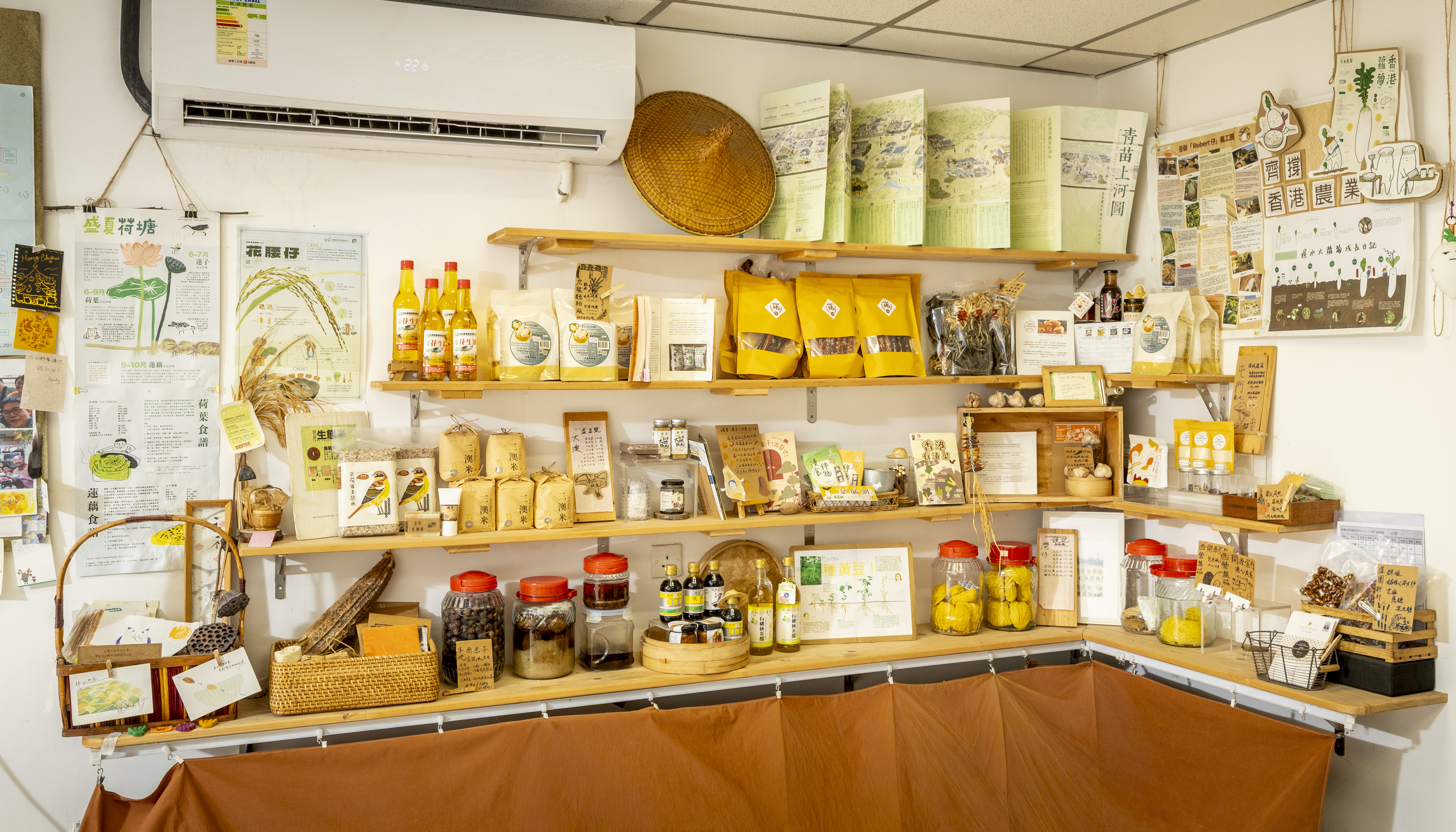
However, for those of us who weren’t trained in running a business, starting a store was a huge challenge. At first, passion was all we had! It was only two years later, when we had moved to Tsuen Wan, that we started to understand how best to operate the store. For example, in terms of selling produce, we offered consignments on top of retail. Depending on how much farmers gave us, we’d sell the corresponding amount of goods and do the math at the end. This was too stressful for the two of us, though, so we switched to buying goods first, then deciding what to do. It made life so much easier. We stopped accepting consignments to simplify things as well.
We started only with ten customers. They usually knew about us from the activities that Kong Yeah organised. Some of them are still supporting our work. I feel lucky to have bonded with them through local produce, and I treasure this special relationship a lot.
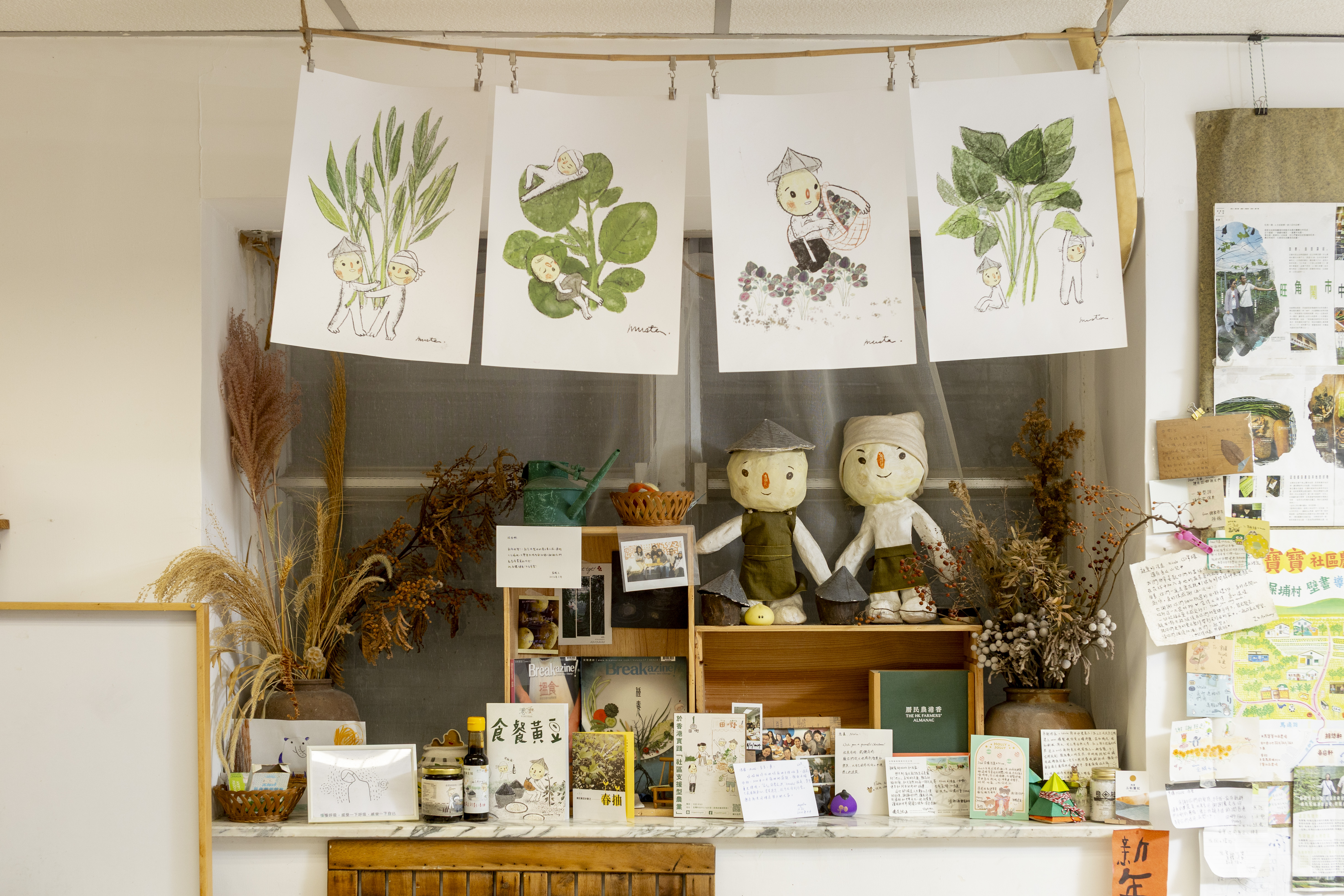
4. How does Tin Yeah interpret the CSA concept? And what’s the significance of practising community-supported agriculture in Hong Kong?
As early as our Kong Yeah era, we had learned about CSA through the Homemakers United Foundation in Taiwan. We just never had the opportunity to give it a go until we had our own physical store. By the concept of CSA, we wanted to emphasise how consumption is never passive. In fact, it resembles the act of voting, where each of us casts a vote on how we want the city to develop, moving forward. As we looked deeper into CSA, we noticed similar modes of production and consumption around the world as well: Consumers with a conscious effort to find reliable producers and desire for food safety. It’s as simple as that.
In this kind of producer-consumer relationship, farmers can improve their work as they have a stable customer base. For those who cannot farm on their own, they are given a stable source of food, and they get to care for farmlands in an indirect manner. That being said, farmers and consumers are in a state where they support and grow along with each other. I particularly appreciate how the Japanese interpret CSA. They use the Japanese word teikei to represent the mutual aid and growth that take place between consumers and producers. This stable yet small-scale mode of operation differs from the mainstream economic system. When the external environment meets a challenge, it manages to stay resilient. This aligns with what permaculture has to say about the subtlety in beauty, and the beauty of subtlety.
In a highly urbanised city like Hong Kong, CSA can take flexible forms. CSA in foreign countries usually centres around farms, and the ways in which they serve residents nearby. Mapopo Community Farm, a now evicted organic farm in the village of Ma Shi Po in Fanling, used to operate this way as well. However, Hong Kong is a small place with convenient transportation, which allows us to send produce from the New Territories to Kowloon and the Island side fairly easily. Depending on context, customers can even support stores in their own neighbourhood to avoid excessive logistics. That’s why CSA in Hong Kong looks different compared to other places in the world. We prioritise urban-rural interaction in a way that puts communities at the forefront.
5. The promotion of CSA can take place in various forms, including farmers’ markets, social enterprises and co-ops. Why have you chosen collective consumption as your entry point?
This has a lot to do with our positioning. Over the years, a lot of urban residents would reach out to us and ask, ‘Where can I find local produce?’ We then compiled lists that guided people to different locations for purchase, but this had limited effect. Urban life is fast-paced and people prioritise convenience. Even if they are willing to support local agriculture, they may not spend time searching for goods around the city. Moreover, some stores had a limited proportion of local products available for purchase, which made it hard to promote shopping locally. This made us wonder: What if we intervened ourselves? Would we be able to be the bridge connecting food producers, processors and consumers?
We were familiar with the three major types of stakeholders, namely farmers, factories and urban consumers. We then decided to start by adding local produce and local food products into our daily menu, giving consumers a trustworthy entry point to local consumption. The mode of collective purchase allowed us to collaborate directly with farmers, and it ensured that consumers had a stable and clear knowledge of where their food was from. That being said, it was not easy garnering the trust of all three parties. We started out with a small number of orders and gave ourselves the time to build trust with the stakeholders. It was only after four years that we managed to establish a rather stable community.
Throughout this process, we conducted several experiments, such as growing soybeans and making soy sauce. This broadened my horizons as it was both fun and kind of crazy! It was from this experience that I fully understood the growth and processing of soybeans, as well as the production chain that affected their market value, internationally. For example, we used to have a lot of factories in the soybean industry, including producers of tofu, bean sprouts, fermented bean curd and soy sauce. Soybeans are small in size, but they are directly impactful on the massive and complex food trade of the world. They hold significance in the history of dining culture in the Asian region as well.
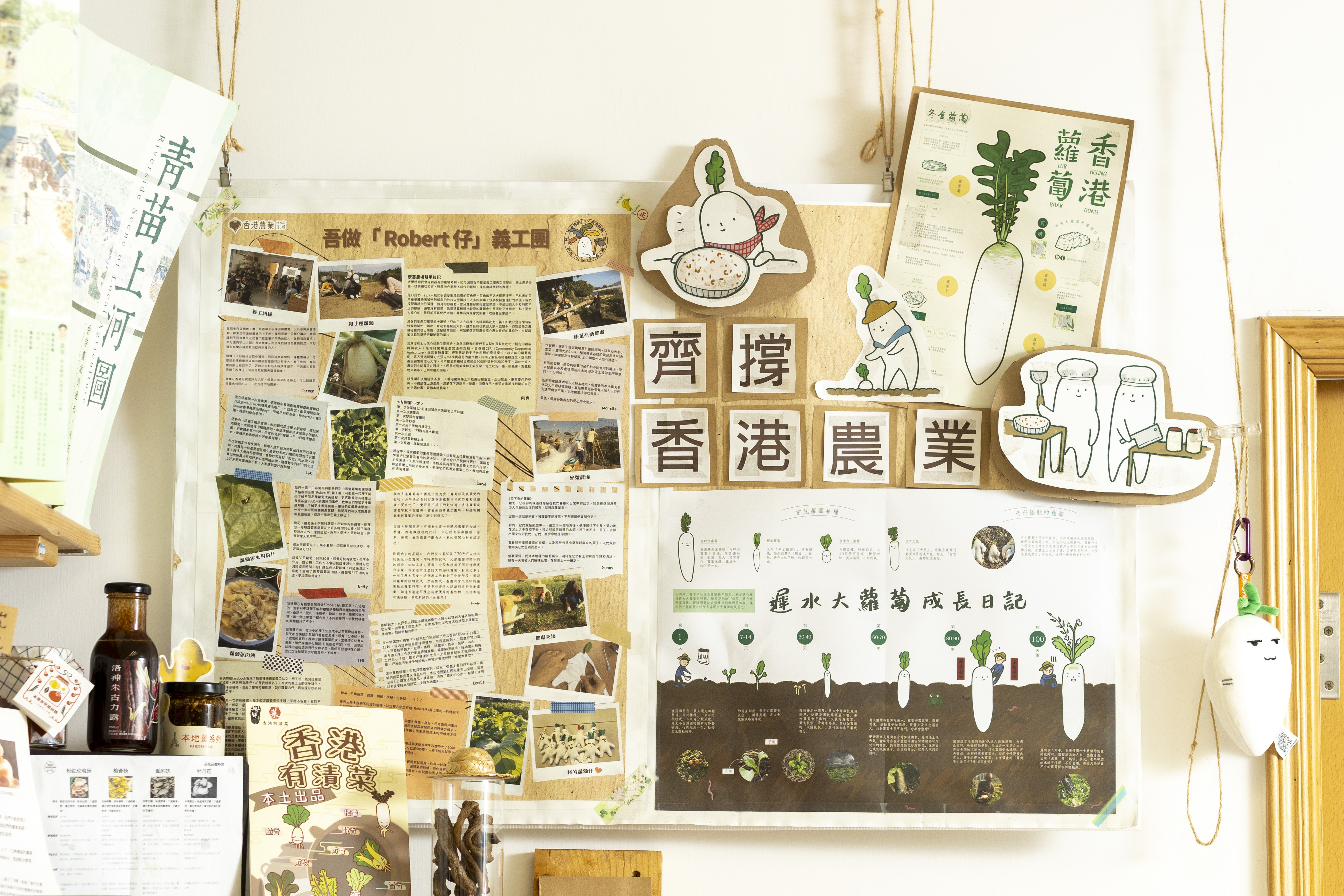
With the help of the Sustainable Ecological Ethical Development Foundation (SEED), we were put in touch with small-scale farmers in the Chinese mainland and there we found the right soybean variety that worked best for Hong Kong, connecting the long-forgotten production chain once again. Later on, the HK Robert Go! Project was an extension of this mindset to pull producers and consumers closer to each other. The project invited local farmers to grow turnips together, then collaborated with different people to make turnip cake and promote their work. We can see how collective purchasing is a way to reconnect the city with its land, and a means to rebuild a healthy food ecosystem.
6. How else has Tin Yeah promoted local agriculture?
Apart from collective purchasing, we have tried other ways of promoting agriculture. We still create new products up to this day, letting consumers taste local produce in a more everyday setting. At the same time, we organise guided tours, plan educational activities on food and agriculture and create publications on relevant topics, inviting citizens to go into farms and meet the farmers themselves. This has been something we’re committed to achieving.
In recent years, we have tried a diversity of other formats as well, such as a survey on seasonal produce, cooking and eating together, as well as embroidery workshops related to agriculture. A lot of people don’t realise that textiles have a lot to do with agriculture, as raw materials all come from our land after all. These adventures were fun and enjoyable! Through these activities, participants understand how agriculture and farming aren’t distant professions, but something closely tied to the everyday.
7. What does a week at work look like for you?
We now have over a hundred subscribers. Orders are ready for pick-up through Monday to Thursday on a weekly basis. We deliver them to different districts each day. We arrange logistics this way to save costs on delivery. When a driver sends a bulk of goods to the same area in one go, fees are minimised and efficiency is maximised, ensuring that the vegetables arrive fresh at each customer’s doorstep.
I live in Kam Tin myself. On days of delivery, some farmers send their produce over as early as seven in the morning. I collect and weigh them accordingly. From half-past eight onwards, vans make stops at various farms to collect vegetables, and they return to Tin Yeah’s store in Tsuen Wan by half-past nine the latest. Some farms like to bring us their goods the evening before, sending them directly to Tsuen Wan. When everything arrives, we start organising veggie packs, until drivers come to collect them by lunchtime and deliver them to different spots. This process usually ends by six in the evening. In the afternoon, we have time to deal with orders and to coordinate with farmers. We have to clean up materials such as the bags and cloth that can be reused. This is what Monday to Thursday usually looks like! On Fridays we take a break, as farmers will already have worked hard for a few days. We occasionally table at local markets on Saturdays, so Friday becomes our rest day as well. Whether or not we run a booth or organise activities and tours on weekends varies from week to week, depending on the status of the farms that we work with.
8. If we zoom out and look at the calendar by year, what does Tin Yeah’s annual schedule look like?
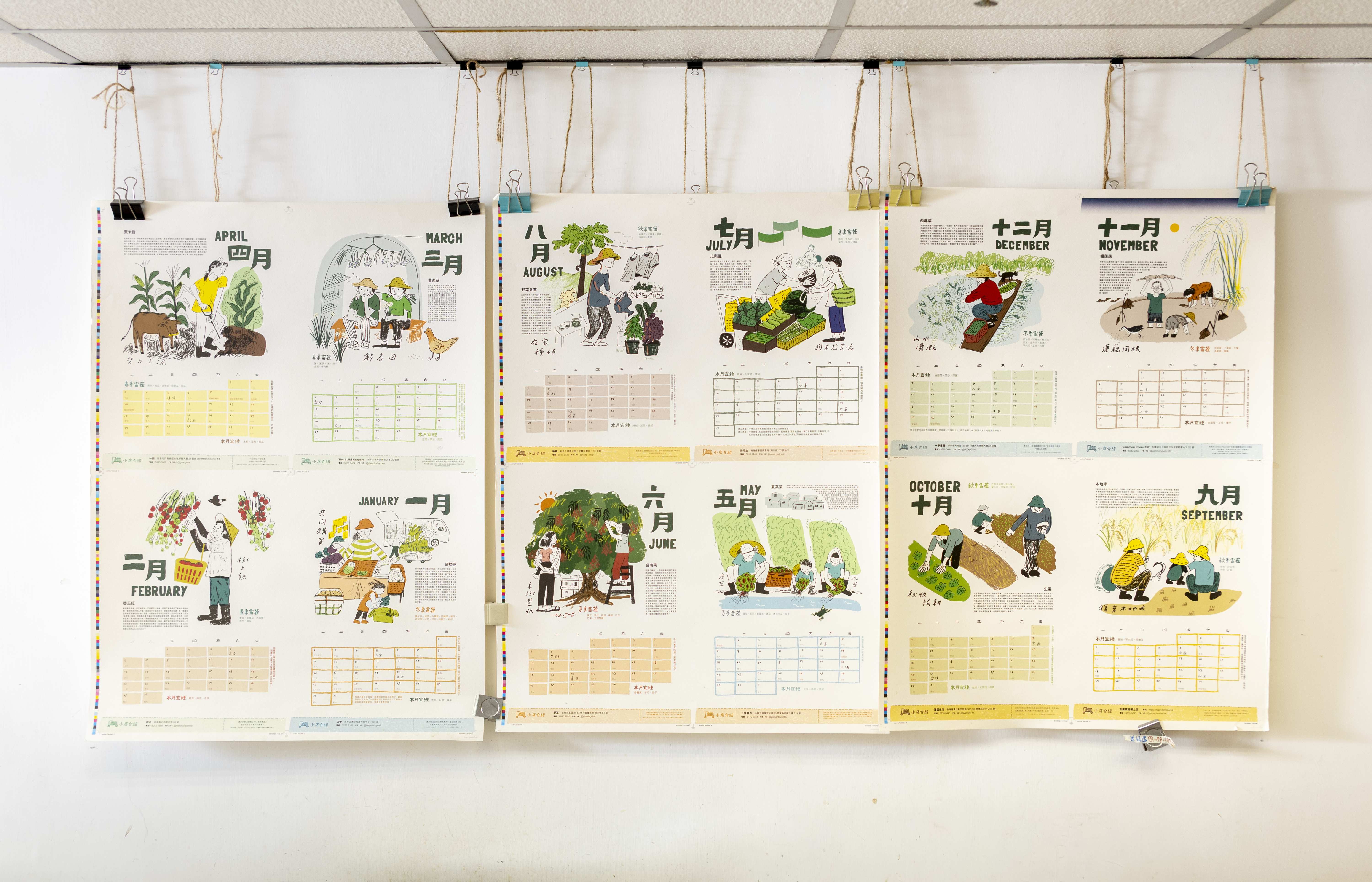
Over the course of a year, our peak season takes place from winter to spring. These are the months when local produce is most abundant. Summers in Hong Kong are rainy, leading to unstable harvests. Natural disasters have been severe in recent years, so farms are less productive during the summer. Generally speaking, we divide the year into two seasons: from summer to fall, and from winter to spring. Summer takes place from April to October, sometimes November, depending on temperatures that year. When the weather continues to be burning hot in September, it’s hard for farmers to start growing winter veggies. They may then have to switch to another round of summer crops as an alternative.
That being said, we have to plan ahead as early as the start of spring. Plans include the size of subscriptions, the number of times we deliver orders and which types of produce to include. We must grow all of our spring crops in one go in order to ensure consistent harvests in the months to come. For example, we have small wax gourds in late June and larger ones in July. We can promote them in advance if we’re aware of this schedule earlier. When summer break arrives, it’s time to plan for the season from winter to spring.
Apart from that, we have to gauge demand for festive seasons such as the Lunar New Year, winter solstice and the beginning of winter. We usually get more orders during these times of the year and require extra cost and manpower. We adjust our supply each season depending on what farms are able to harvest. Crops can be abundant this year but scarce next year due to bad weather. We must constantly keep an eye on how farms are doing, throughout the year, to make flexible arrangements. That’s about what a year looks like at Tin Yeah.
9. In order to make collective purchasing effective, you must balance various factors, including farmers’ harvests, the change of seasons, logistics and administrative concerns. When one of these aspects does not go as planned, what kind of role does Tin Yeah have to play in facilitating the process?
We usually arrange for two to three farms across different districts to plant the same crop at the same time. Even if one of them encounters flooding or issues with weather in their respective districts, the other farms can step in and help with providing a stable supply. The riskier a crop is, the more important it is to diffuse risks. When we harvest an abundant amount of a certain crop, we’d do more promotion to draw people’s attention and support.
In case harvests are too scarce, we’d pause our weekly purchase scheme temporarily, postponing orders to the following week. Another alternative is to ask if subscribers are willing to share part of the risk with us. The spirit of CSA lies not only in harvest, but in facing hurdles together. We’d ask subscribers if they are willing to pay for their weekly subscription in full or partially, then we can use this sum of money, through our Weathering the Storm Together Fund, to support farmers with a share of subsidy based on their contribution. This ensures that they can survive difficult times despite fluctuations in weather and sales.
As the climate has become more extreme in recent years, flooding in farms has become more common. This fund can be really substantial for farmers in need!
10. Which dimensions of Satoyama and Satoumi in Hong Kong do you think Tin Yeah might touch upon? What does an ideal mode of Satoyama and Satoumi look like to you?
Quite a lot of my work at Tin Yeah echoes the concept of Satoyama and Satoumi indeed! The way we explore the human-nature relationship as a connection that is mutually dependent, for instance. From my understanding, the concept is not only about daily practice. It’s also about how human beings depend on nature to survive, and that this interdependent relationship is loaded with emotions and the motivation to act on.
Our work is sort of like piecing together fragments that urban dwellers have lost over time. Through collective purchasing, guided tours, food and agriculture activities as well as encounters with farmers, we want people to feel the presence of nature all over again, prompting them to come to the realisation that nature has something to do with their lives! We hope to infuse these possible points of connection into people’s everyday living.
Kids now know very little about solar terms. Some of them can’t even name the seasons. That’s because they have lived in air-conditioned rooms for the longest time, and the urban landscape no longer reflects the seasonal changes inherent to nature.
Satoyama and Satoumi mean something much simpler to me. It can be about easy access to local vegetables in every community. It can be about sensing the change of seasons. It can be about an awareness of each blossoming flower along the way.
Afterword
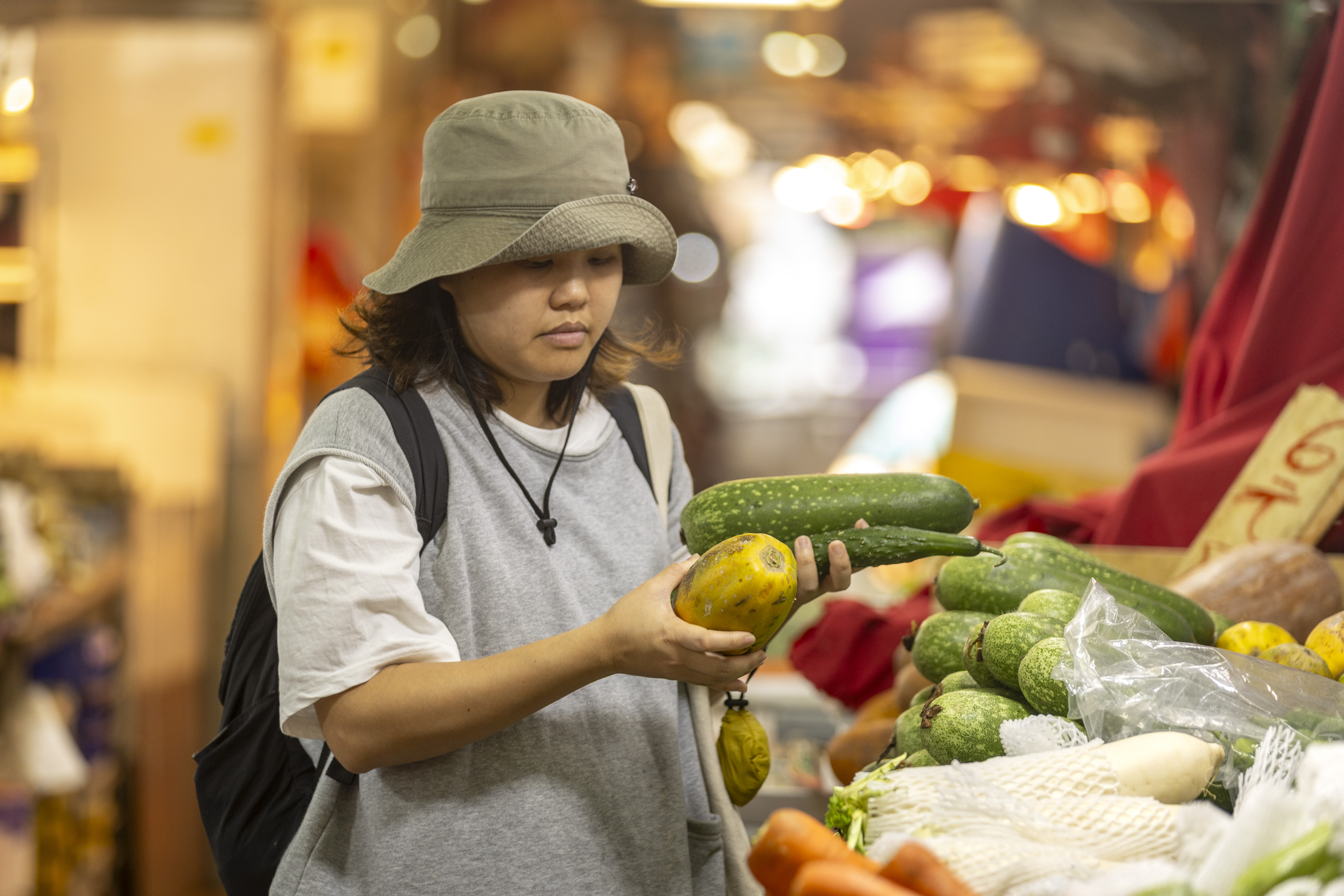
The formation of a community isn’t always smooth sailing. Ho-ying has endeavoured to introduce the concepts of farming with the seasons and eating with the seasons to the public. In Hong Kong, for example, leafy greens are more abundant during the winter. We can try to enjoy the unique flavour of a hairy melon instead. Food and agriculture education involves complex factors such as the formation of an eating culture and a renewed value system. It’s hard to know it all over one or two locally produced meals. I can only imagine the amount of work that Ho-ying has put into explaining the importance of going with the seasons’ flow. She truly believes in the possibility for people’s beliefs to shift and reconfigure.
Recently, a microwaved-food company in Hong Kong has launched veggie packs for one. You can simply reheat them at home. With a background in cultural studies, Ho-ying interrogates the reasons behind this invention and what it might entail. If someone purchases one of those and gradually appreciates vegetables a little more, she will be pleased regardless.
‘We’re all friends in this industry, covering for one another when needed. That’s how nature works, anyway. The roots of a tree rely on fungi, and none of them can live without the other. Trees are very good at sharing nutrition with their surroundings. Nothing in nature is considered excessive,’ said Ho-ying.
Tips from Ho-ying
How to Take the First Step
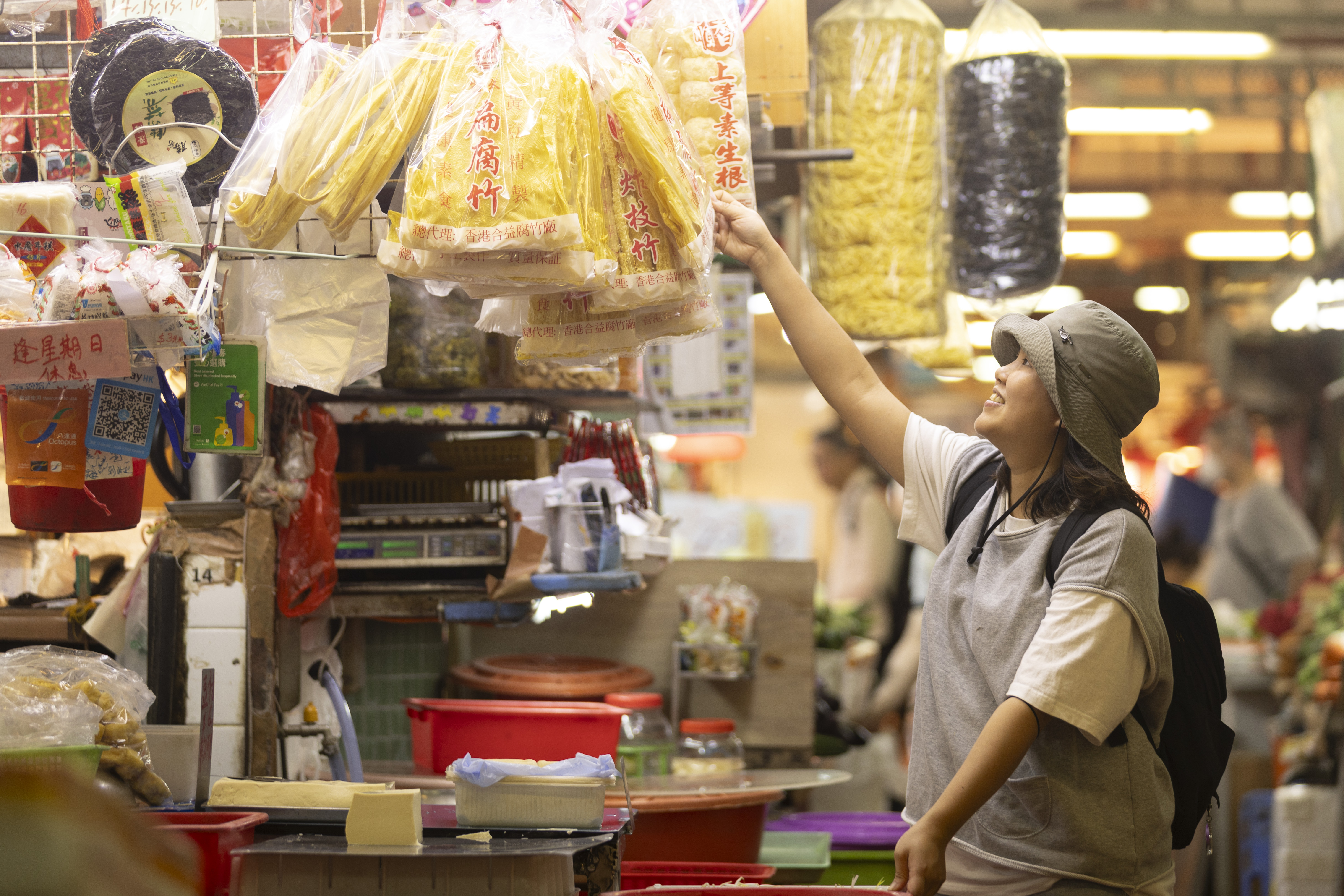
Start with the smallest and most everyday moments in life, rather than achieving something ambitious at first. Whenever someone is interested in local produce, I’d usually recommend this easy method: Try a new type of local vegetable each week. You could visit a local stall, a farm or farmers themselves. If you’re able to try a catty per week, you get to taste 52 different varieties of vegetables a year. These small habits will expand your understanding of food, and eventually welcome local agriculture into your everyday life.
You don’t have to become a great chef. Try cooking a plate of veggies each week. Boiling vegetables in water seems to be easy, but there’s greater wisdom to it: Choy sum tastes different depending on how long you cook it. Try two minutes, three minutes and four minutes? The result won’t be the same. Have you ever experimented with this at all? As soon as a person decides that they have a demand for vegetables, and becomes willing to go the extra mile for fresh produce, that can already be the first step to reconnecting with our land.
Suggestions for Beginners
I have the habit of checking in with myself from time to time about how eager I am to take action. If I know I won’t regret abandoning a plan, I’ll happily forgo the idea. But if something stays on my mind for a long time, I give it a go. It takes a lot of motivation to promote local agriculture. I’ve known many young people who already have this quality in them. They are talented. They have ideas in mind. They are willing to take action. I really treasure opportunities where they can shine, and I look forward to the new doors that they will open.
Finally, stay open to new ideas, read more, and keep learning. Before our time, there were already practitioners who compiled their precious thoughts and observations through moving images, books or other forms of media. These are resources to be treasured. As long as we stay curious about agriculture and nature, the world will never feel too small. Our imagination expands as well.